
Collagen biology, explained the way we'd explain it to another clinician.
Structured evidence over decorative “science theatre.” Here’s the biology behind the formulation, how it integrates with in-clinic protocols, and where to find the references.
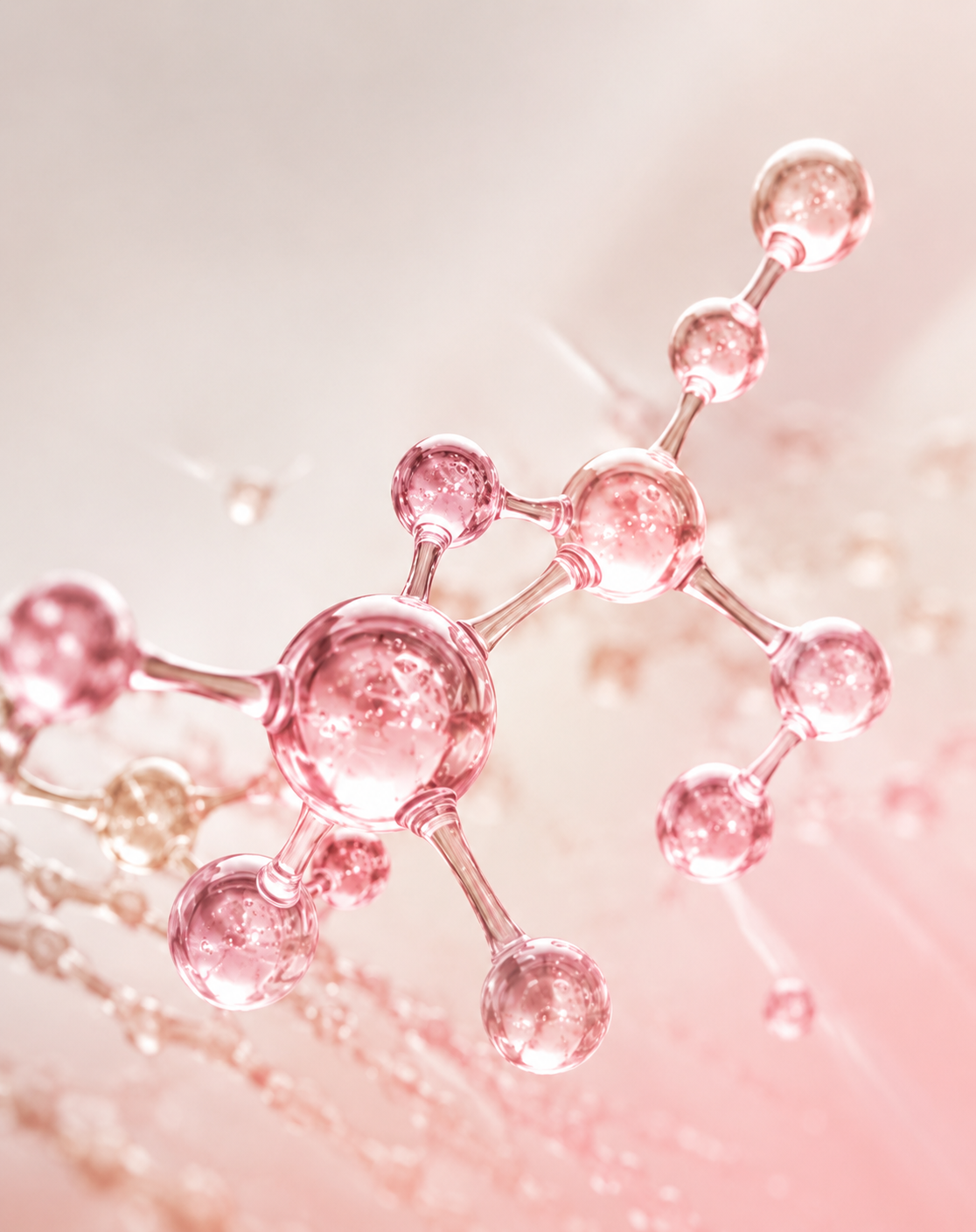
Info Box
Hydrolysis reduces native collagen into low-molecular-weight peptides, intended to support intestinal absorption before onward circulation.
Why hydrolysed, and why five types.
Native collagen is a large, poorly absorbed molecule. Hydrolysis breaks it into shorter peptide chains intended to be more readily absorbed. Types I, II, III, V and X were selected to reflect the collagen composition relevant to skin, cartilage and connective tissue, rather than a single-type formulation.
PEPTIDE SIZE & BIOAVAILABILITY
3kDa
Low molecular weight peptides for improved absorption.
Gut
Peptides are broken down and absorbed in the small intestine.
Blood
Peptides enter the bloodstream and are distributed throughout the body.
Dermis
Peptides are utilised by the skin and connective tissues.
Collagen synthesis needs a cofactor.
Vitamin C is a required cofactor in the enzymatic steps of collagen synthesis. This is reflected in authorised health-claim wording: vitamin C contributes to normal collagen formation for the normal function of skin, cartilage, bone, gum, teeth and blood vessels. Pairing a collagen peptide base with a bioavailable vitamin C format reflects that mechanistic relationship.
Liposomal delivery, in brief
Encapsulating ascorbic acid within a phospholipid liposome is intended to protect it through digestion and support membrane transport, compared with unencapsulated ascorbic acid formats.
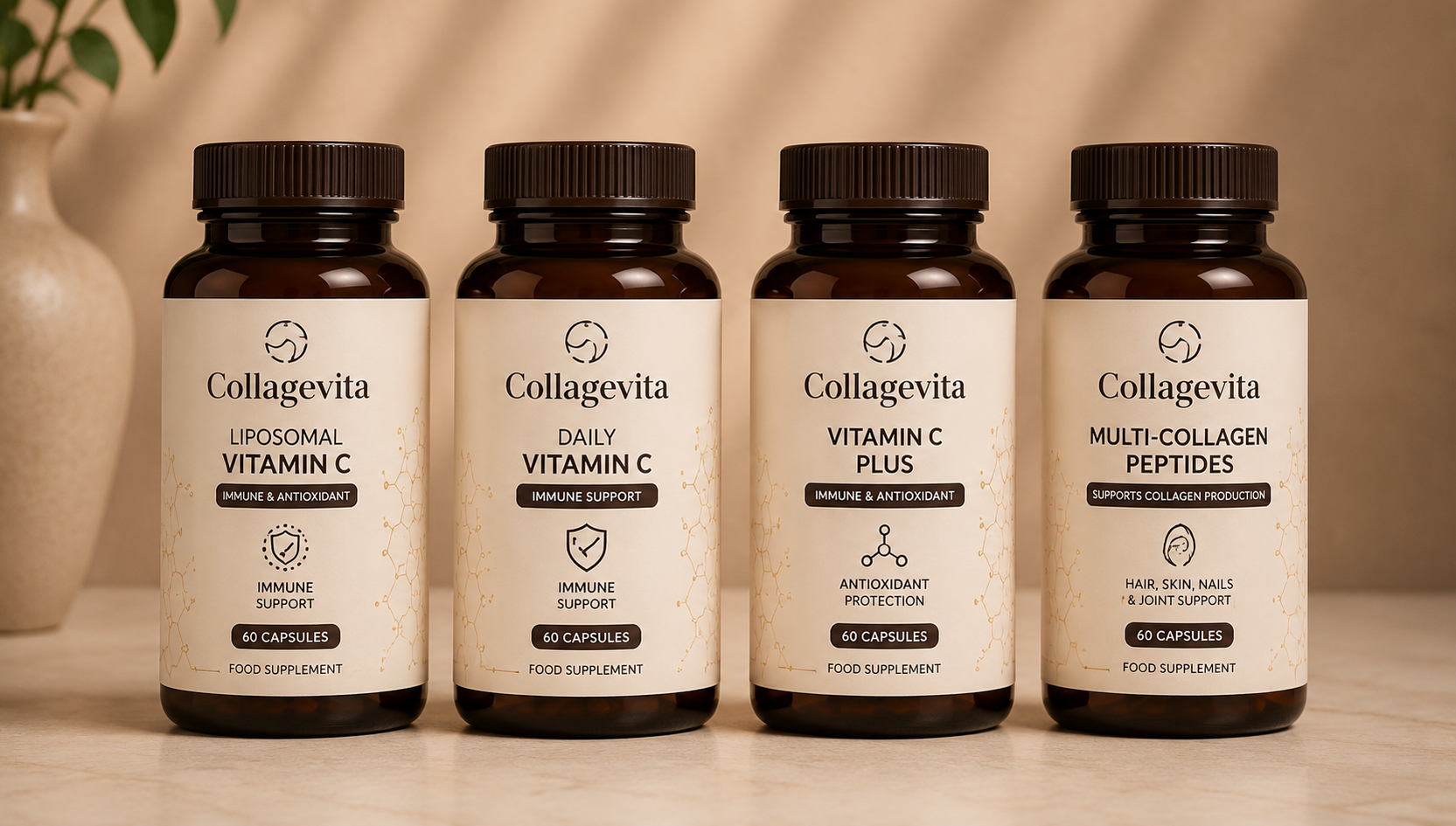
Where oral supplementation fits around a treatment.
Pre-treatment
Begin supplementation 2–4 weeks before treatment to support the body's natural collagen-building process.
Treatment day
Continue daily supplementation as normal alongside your planned clinical treatment protocol.
Early Recovery
Maintain consistent daily use throughout the initial recovery and collagen remodelling period.
Maintenance
Continue daily supplementation to provide ongoing nutritional support between treatment sessions.
Reassessment
Review progress with your practitioner and adjust your wellness plan based on individual needs.
Downloads & references
Formulation data sheet (PDF)
Full ingredient, dosage and sourcing detail for clinical review.
Reference list
Peer-reviewed sources underpinning the formulation rationale, reviewed on a scheduled basis.
Protocol integration guide
Practical guidance for sequencing with common aesthetic and regenerative treatments.
Common Questions from Healthcare Professionals
Everything you need to know about our formulation, daily use, and how Collagevita integrates into clinician-led wellness protocols.
Why does Collagevita use hydrolysed collagen peptides?
Hydrolysed collagen is broken down into shorter peptide chains, making it easier to digest and intended to support intestinal absorption before onward circulation.
Why are Types I, II, III, V and X included?
Our formulation combines five collagen types to reflect the collagen composition found in skin, cartilage and connective tissues, rather than relying on a single collagen source.
Why is Vitamin C included in the formulation?
Vitamin C contributes to normal collagen formation for the normal function of skin, cartilage, bones, gums, teeth, and blood vessels, making it an important complementary nutrient alongside collagen peptides.
What is Liposomal Vitamin C?
Liposomal Vitamin C encapsulates ascorbic acid within a phospholipid liposome, a delivery format intended to protect it during digestion and support membrane transport.
When should supplementation begin around a treatment?
Many professionals choose to begin supplementation 2–4 weeks before treatment and continue daily throughout recovery and ongoing maintenance as part of a consistent wellness routine.